A bolt action rifle is one of the most trusted and widely used firearm platforms for hunters and precision shooters alike. Known for mechanical simplicity and accuracy, its design has remained a gold standard for generations.
In this guide, we break down what makes bolt action rifles unique, how they work, and why they continue to dominate precision-focused disciplines.
A bolt action rifle is a manually operated firearm where the shooter cycles the bolt by hand to load, fire, extract, and eject each cartridge. Unlike semi-automatic rifles that use gas or recoil to cycle rounds, bolt actions rely entirely on deliberate user input, which gives the shooter greater control over each shot.
This design for long-range rifles is especially popular in hunting, precision shooting, and other long-range disciplines where consistency and accuracy matter more than rapid follow-up shots. Many shooters turn to bolt actions when shooting larger calibers or engaging targets at extended distances.
The bolt action system is one of the earliest repeating mechanisms used in modern rifles. It became standardized worldwide through military adoption in the late 19th and early 20th centuries and later carried over into civilian sporting and hunting rifles. That legacy of rugged simplicity still defines the platform today.
Bolt action rifles’ ability to handle high-pressure cartridges and maintain consistent lock-up has kept them relevant despite advancements in firearm technology. They are commonly used for:
The operation of a bolt action rifle is straightforward. Each step is manually controlled by the shooter:
This manual process creates a strong mechanical lock-up between the bolt and the barrel. Because there are fewer moving parts during firing, the rifle experiences a consistent recoil impulse for improved shot-to-shot accuracy.
The simplicity of the system also enhances durability. With fewer components subject to fouling or mechanical failure, bolt action rifles tend to perform reliably in harsh environments, including extreme cold, dust, and moisture. This makes them especially appealing to hunters and shooters who operate far from controlled range conditions.
From a precision standpoint, the rigid action and controlled feeding process allow bolt action rifles to maintain excellent alignment between the barrel, chamber, and cartridge, which is critical for accuracy at long distances.
For hunters and competition shooters focused on consistent accuracy, bolt actions remain the preferred choice for long range hunting and precision shooting disciplines where every variable matters.
Precision shooters consistently favor bolt action rifles for their inherent mechanical advantages. With fewer moving parts than semi-automatic platforms, bolt actions provide a more consistent lock-up and recoil impulse, which translates directly into tighter groupings and more predictable shot placement.
Bolt action rifles can also safely chamber a variety of cartridges, including many high-powered and magnum rounds that are impractical or inefficient in semi-automatic platforms. This makes them ideal for shooters engaging long-range targets.
Customization is another major factor. Bolt action platforms are easier to tune for precision, allowing shooters to:
When comparing bolt action vs. semi-auto rifles, the differences come down to design priorities. Each platform serves a distinct purpose, and understanding those goals helps shooters choose the right tool for their needs.
| Feature | Bolt Action Rifle | Semi-Auto Rifle |
|---|---|---|
| Accuracy Potential | Excellent (due to rigid lock-up) | Very good, but affected by moving parts |
| Rate of Fire | Slower, manual cycling | Faster follow-up shots |
| Mechanical Complexity | Simple, fewer parts | More complex system |
| Reliability | Extremely reliable in harsh conditions | Reliable, but more sensitive to fouling |
| Maintenance | Easier to clean and maintain | Requires more frequent cleaning |
| Caliber Options | Broad, including high-powered cartridges | More limited for magnum rounds |
For hunting and precision applications, bolt action rifles often outperform semi-autos in terms of accuracy and reliability, especially when environmental conditions are unpredictable. Semi-automatic rifles perform better in scenarios where speed and volume of fire matter more than absolute precision.
When shopping for a bolt action rifle, the following components will impact your accuracy, durability, and overall shooting experience:
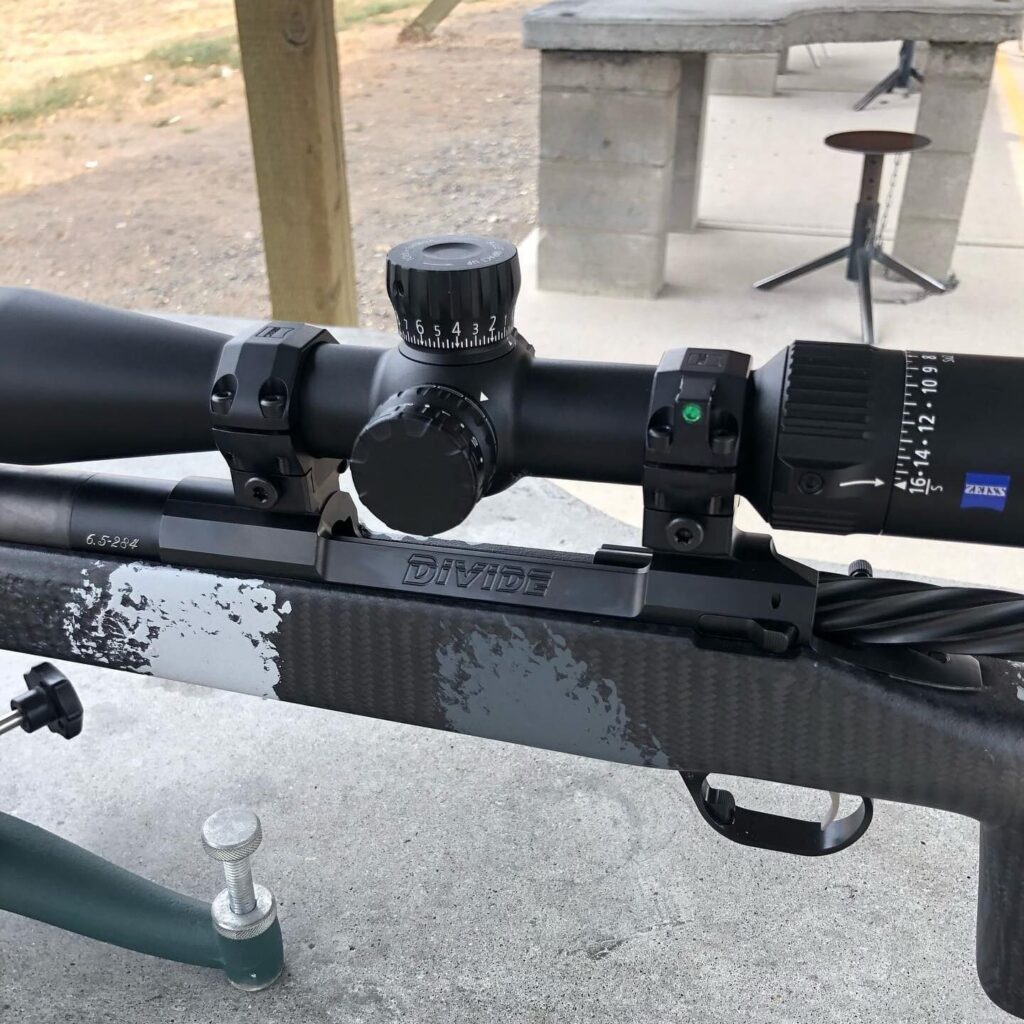
A high-quality action should have a smooth bolt throw, solid locking lugs, and consistent lock-up. Precision-machined actions reduce friction and help maintain alignment between the cartridge and barrel, which is critical for accuracy and long-term reliability.
Factors like barrel contour, length, and rifling all influence velocity, heat management, and precision. Heavier contours tend to resist heat-induced shift during longer shooting sessions, while properly cut rifling promotes consistent bullet stabilization.
Trigger quality directly impacts shot control. Many shooters prefer adjustable triggers that allow fine-tuning of pull weight and break characteristics. A clean, predictable trigger helps minimize shooter-induced error, especially during precision work.
Ergonomics matter. A well-designed stock or chassis should provide proper cheek weld, length-of-pull adjustment, and compatibility with free-floated barrels. Modern chassis systems offer adjustability, while traditional stocks prioritize weight savings.
Caliber selection affects recoil, trajectory, and terminal performance. Larger cartridges deliver extended range and energy, while smaller calibers often provide flatter trajectories and reduced recoil. Choosing the right caliber depends on intended use, target distance, and shooter preference.
Hunters typically prioritize reliability, manageable weight, and appropriate caliber selection. A bolt action rifle designed for the field should perform consistently in changing weather, uneven terrain, and extended carry conditions. Simpler actions and proven cartridges often shine in real-world hunting scenarios.
Precision shooters require platform customization and repeatability. Barrel quality, trigger consistency, and stock or chassis interfaces are key considerations. Many competitive shooters invest in modular systems that allow easy upgrades as skills and shooting demands evolve.
Backcountry hunters often face long hikes and limited access to gear, making weight savings a critical factor. In these scenarios, durable materials and streamlined configurations are valued. The best bolt action rifle for backcountry hunters is one that balances performance with portability—especially when operating far from support or resupply.
Range-focused shooters, on the other hand, can afford heavier setups that prioritize stability and recoil mitigation over mobility.
Selecting the right caliber ensures the rifle performs as intended without unnecessary compromise:
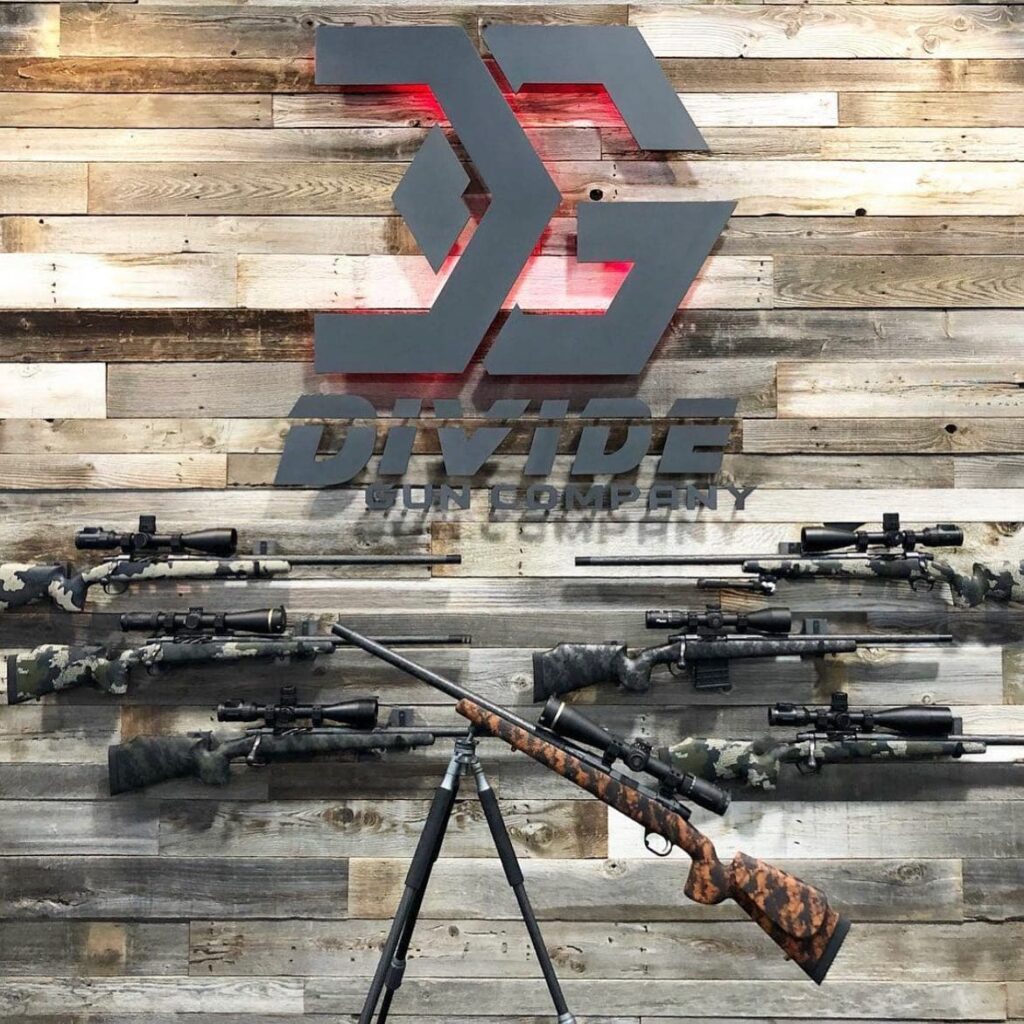
Divide Gun Company’s bolt action rifles are built with a focus on precision and durability for real-world performance. Our approach blends modern machining with field-driven design considerations to support hunters and precision shooters who demand consistency in unpredictable conditions.
Each platform is designed with:
Our FreemanX TI custom bolt action rifle emphasizes accuracy, material efficiency, and long-term reliability. They’re built to perform across a wide range of environments, from controlled range settings to remote backcountry hunts.
Rather than chasing trends, Divide’s bolt-action platforms are engineered around proven fundamentals that shooters can rely on shot after shot.
A bolt action rifle is a manually operated firearm where the shooter cycles the bolt to chamber, fire, and eject each round. This design emphasizes control, reliability, and accuracy.
For most hunting applications, bolt action rifles are preferred for their accuracy, reliability, and ability to handle a wide range of calibers. Semi-automatics, on the other hand, offer faster follow-up shots.
A high-powered bolt action rifle typically chambers magnum or large-caliber cartridges designed for long-range performance, energy retention, and penetration. Strong lock-up and barrel quality are key factors in these types of platforms.
Bolt action rifles are often considered more reliable in harsh conditions because they have fewer moving parts and are less sensitive to fouling, dirt, and environmental factors.
Bolt action rifles have endured because of their mechanical simplicity. Their modest design supports long-term reliability, while their rigid lock-up enables exceptional accuracy. For shooters who value precision, consistency, and proven performance, the bolt action rifle continues to set the benchmark for everything from big game hunting to extreme long-range shooting.