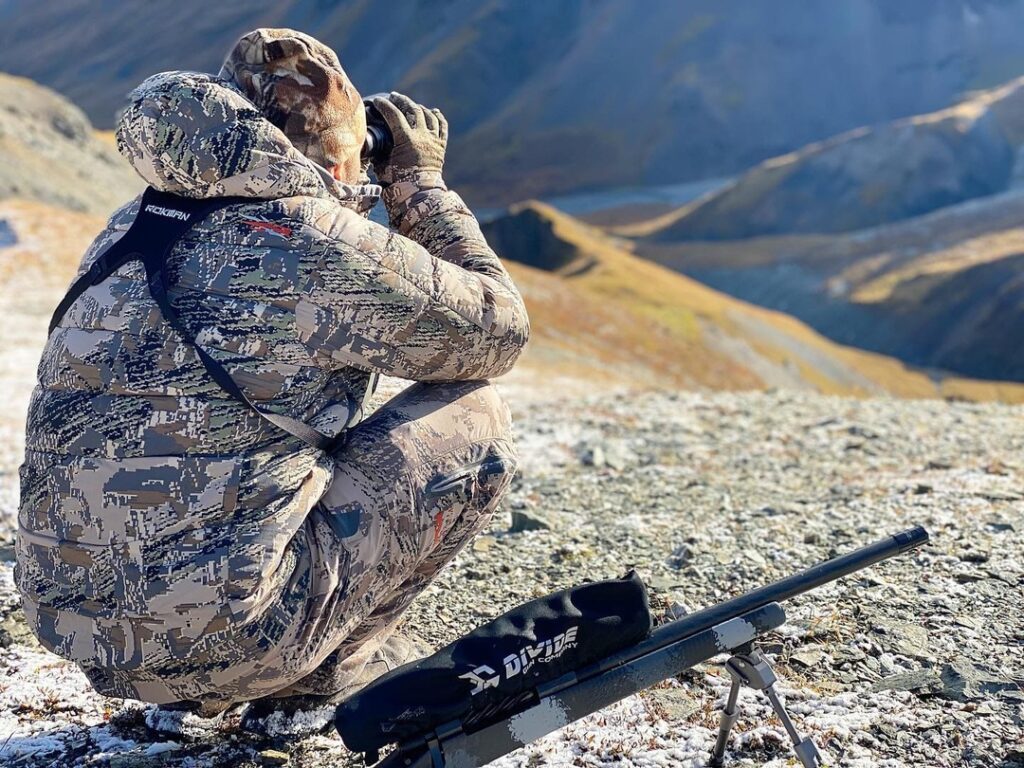
Western big game hunting differs significantly from eastern and midwestern hunts. Rugged terrain and longer shooting distances make lighter gear and thorough preparation essential for success.
This guide offers practical advice for hunters planning a big game hunt, especially in backcountry or mountain environments. We break down what makes western hunting different, types of western big game, and why long-range precision matters for gear selection.
Western hunting isn’t just about bigger landscapes or larger animals. The differences affect nearly every aspect of the hunt, from long-range rifle setup to physical conditions. Open terrain, higher elevations, and unpredictable weather demand a more strategic, mobile, and prepared approach than most eastern or midwestern big game hunting styles.
Key differentiators of Western hunting include:
Backcountry hunting offers a wide range of big game species, each with unique behaviors, habitats, and sizes that influence gear and rifle selection.
One of the most iconic animals in western big game hunting, elk are large, tough, and often pursued in demanding terrain.
Elk hunting places a premium on precise shot placement and rifles capable of consistent accuracy at varying distances.
Mule deer thrive in open country and rugged western landscapes.
Hunters often prioritize lightweight hunting rifles to support long glassing sessions without fatigue.
Western hunts also include plains and crossover species such as pronghorn antelope.
These hunts reward accuracy, patience, and equipment built for performance in open environments.
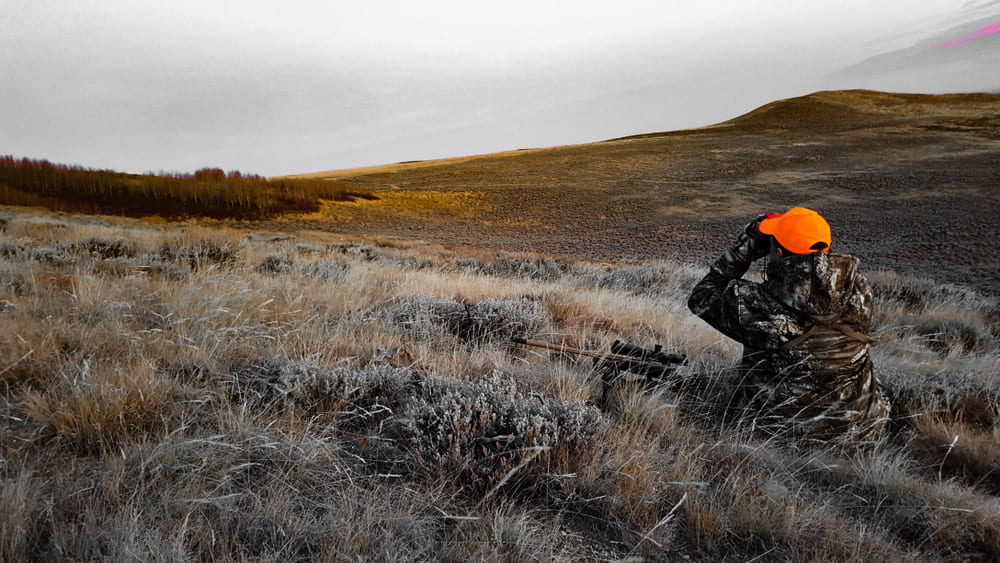
Accuracy matters in all styles of hunting, but it is especially critical in western big game hunting. Open landscapes, longer engagement distances, and fewer opportunities for follow-up shots raise the stakes. In the West, consistent accuracy is often the difference between a clean, ethical harvest and a missed opportunity.
Why accuracy matters more out west:
Given these conditions, the best hunting rifles for big game are often precision rifles with quality barrels that reduce variables and maintain accuracy at longer ranges.
Western hunts place unique demands on gear. Long hikes, steep terrain, and changing weather force hunters to prioritize performance and reliability over extra features or excess weight. Gear priorities include pack weight, optics, calibers, and suppressors. The goal is simple: carry only what helps you hunt more effectively.
Lightweight hunting rifles are essential for western big game hunting. Open terrain, longer shots, and rugged conditions demand rifles that are accurate, reliable, and easy to carry.
Many hunters rely on a bolt-action rifle because it delivers:
Mountain hunting rifles, such as Divide Gun Company’s FreemanX TI Long Range Rifle, differ from traditional whitetail setups because they prioritize range, weight savings, and durability over quick handling in dense cover.
Beyond the rifle itself, western hunting gear must support long days, extended glassing, and unpredictable conditions. Smart gear choices help hunters stay comfortable, efficient, and focused when opportunities finally present themselves.
Investing in reliable optics, such as binoculars and rangefinders, helps Western hunters identify animals accurately and plan smarter stalks without burning energy.
Many hunters incorporate suppressors into their western rifle systems to improve control and comfort without compromising performance. They offer:
Divide Gun Company’s MTN Lite Ti 8 Baffle Suppressor balances recoil reduction with lightweight construction.
A reliable pack system is critical for western hunts.
Choosing a caliber that a hunter can shoot confidently and accurately is far more important than chasing maximum velocity or energy numbers.
If you’re ready to tackle western big game hunting, preparation needs to start well before opening day. The physical, mental, and technical demands of western hunts require deliberate training and planning. The more you prepare, the more confident you’ll be when the opportunity arrives.
Here’s how to prepare for your next western hunt:
Western big game hunting is tougher due to open terrain, longer shots, and more demanding physical conditions. Steep elevation changes and thin air increase fatigue, weather can shift quickly, and hunters often hike miles while glassing from exposed ridgelines. These challenges make preparation, conditioning, and gear choices more critical than in many eastern hunts.
There’s no single “best” caliber. The best hunting rifles for big game are accurate, manageable to shoot, and reliable across species. In western hunts, shot placement and familiarity with your rifle matter more than caliber hype.
Modern lightweight hunting rifles are capable of delivering the accuracy required for western hunts. Advances in materials, barrel design, and manufacturing allow today’s rifles to balance reduced weight with excellent consistency. When properly set up and paired with quality ammunition, lightweight mountain rifles can perform reliably at extended distances without becoming a burden on long hikes.
Suppressors reduce recoil, improve comfort, and make follow-up shots easier. While they don’t eliminate sound, they help hunters stay controlled and recover faster in open terrain.
Western big game hunting rewards preparation and precision. Open terrain, long shots, and demanding conditions leave little room for shortcuts.
Hunters planning western hunts should focus on three priorities: consistent accuracy, efficient weight management, and dependable equipment. Rifles, optics, and supporting gear must work together to reduce variables and support confident decision-making in the field.
Start planning your big game hunt by learning more about Divide Gun Company’s long-range rifles built for western environments.